
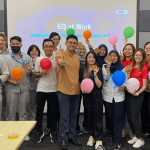
Mastering EQ to Become the Star Performer in the Workplace
30/03/2024
Generative AI and Prompting Techniques
10/07/2024

As technology continues to evolve, its impact on workplace learning and mental health development is becoming increasingly profound. New technologies, including Artificial Intelligence (AI), are revolutionising the way organisations approach employee development and are supported by proven mental health activities and exercises.
This article explores how these technologies are shaping the workplace and learning landscape, and how they can be leveraged to address mental health issues in Malaysia among employees.

Current State of Mental Health Awareness in Malaysia
Mental health issues are increasingly prevalent in Malaysia, with rising cases of depression, anxiety, and other mental health disorders. The challenges in addressing these issues are multifaceted, including societal stigma, a shortage of mental health professionals, and limited access to care, especially in rural areas. Despite these challenges, there have been concerted efforts by the government and non-governmental organisations (NGOs) to improve mental health services through various initiatives and programs.
Talent Pro Consulting, a leading training provider in Malaysia ,is contributing to mental health awareness in the workplace by offering an innovative solution through our HRDF-approved mental health program in Malaysia.
Our corporate training programs are designed to provide comprehensive support for employees’ emotional and mental health needs, promoting a positive and productive work environment.
By focusing on mental wellness, organisations can enhance employee engagement, reduce absenteeism, and improve overall workplace satisfaction.
Common Mental Health Issues in Malaysia
Enhancing mental well-being in the workplace is increasingly acknowledged as pivotal for employees’ productivity. Despite this, more emphasis has historically been placed on physical health over mental health (Gaston, 2000).
Numerous factors contribute to employees’ psychological well-being and mental health, including the opportunity to participate in planning and implementing workplace activities and events, which fosters a sense of autonomy. Identifying and addressing common sources of work-related stress, such as long hours, heavy workloads, and conflicts with colleagues or supervisors, is also crucial.
Recognising employees in need of assistance can be challenging due to the unique nature of each person’s crisis experience. However, organisations can maintain communication, watch for signs of distress, and ensure employees are aware of where to seek help.
According to Relate Mental Health Malaysia (Relate), the cost of mental health issues in the workplace is estimated to be RM14.46 billion or one percent of Malaysia’s total Gross Domestic Product (GDP). This estimation includes the total productivity and business costs attributed to mental health problems, encompassing factors such as absenteeism, presenteeism (working while unwell), and staff turnover due to mental health issues.

New AI Technology in the Workplace
New technologies such as AI, machine learning, and data analytics are transforming the workplace in several ways:
- Enhanced Learning and Development: AI-powered platforms can personalise learning experiences, identify skill gaps, and recommend tailored learning paths for employees.
- Improved Productivity: Automation of routine tasks frees up time for employees to focus on more complex and strategic work, increasing overall productivity.
- Remote Work Enablement: Collaboration tools and virtual workspaces facilitate remote work, allowing employees to stay connected and productive from anywhere.
- Enhanced Communication: Chatbots and virtual assistants streamline communication and provide instant support to employees, improving overall efficiency.
Benefits of AI in Mental Health Programmes in Malaysia
The integration of AI in mental health programmes in Malaysia offers several significant benefits:
- Increased Accessibility: AI tools provide mental health support to individuals who might not have access to traditional services, including those in remote areas.
- Cost-Effective Solutions: AI reduces the cost of mental health care by automating routine tasks and providing scalable solutions.
- Personalised Treatment Plans: AI analyses individual data to tailor interventions to the specific needs of each person.
- Real-Time Monitoring: AI tools offer continuous monitoring of mental health, enabling timely interventions during crises.
- Reduction of Stigma: Anonymity provided by AI tools encourages more people to seek help without fear of judgment.
Discover the essential soft skills, including EQ Management and critical thinking skills, you need to thrive in the workplace with our expert-led soft skills training in Malaysia.
Examples of AI Implementation
Several successful implementations of AI tools in Malaysia highlight their potential:
- Chatbot Initiatives: Collaborations between tech companies and mental health organisations have led to the development of chatbots offering 24/7 support and counselling for employees.
- Mobile Apps: Apps like “MindStrong” and “Wysa” provide Malaysians with tools to manage their mental health activities, track their mood, and access therapeutic exercises.
- Predictive Analytics Projects: AI-driven projects are underway to use predictive analytics for early detection of mental health issues in Malaysia among university students and the general population.
Challenges and Ethical Considerations
Despite their promise, the use of AI in mental health raises several challenges and ethical concerns:
- Data Privacy and Security: Ensuring the confidentiality and security of sensitive mental health data is paramount.
- Reliability and Accuracy: The accuracy of AI in diagnosing and recommending treatments must be thoroughly validated.
- Ethical Implications: Balancing the benefits of AI with the need for human interaction and empathy in mental health care is crucial.
- Equity in Access: Ensuring that AI tools are accessible to all segments of the population, regardless of socioeconomic status, is essential.

Government and Policy Support
The Malaysian government plays a vital role in supporting the integration of AI in mental health care:
- Policy Frameworks: Policies promoting the use of AI in healthcare and mental health services are being developed.
- Funding and Incentives: Government funding and incentives support AI-based mental health initiatives.
- Public-Private Collaboration: Partnerships between the public and private sectors are essential for the successful implementation of AI tools in mental health programmes in Malaysia.
Link to Mental Health Development
The same technologies that enhance workplace learning can also be leveraged to support mental health development among employees:
- Virtual Support Networks: Online forums and virtual support groups provide employees with a platform to discuss mental health challenges and seek support from peers.
- Access to Mental Health Resources: AI-powered chatbots can provide information on mental health resources and services, helping employees access the support they need.
- AI-Powered Mental Health Assessment: Our latest AI technology powered by VAEEG, analyses employee data to identify early signs of mental health issues, enabling timely intervention and support. With this AI tool, we can generate a report through a simple 3-minute voice recording, achieving 99% accuracy. This data is then used to personalise improvements in areas such as stress index, coping patterns, subconscious state, and personality.
Contact us for more information on mental health or take the assessment with us today.
Conclusion
The integration of AI tools in mental health programmes marks a significant advancement in addressing mental health issues in Malaysia’s workplaces. As technology continues to evolve, AI offers enhanced accessibility to mental health support, personalised treatment plans, and real-time monitoring capabilities. While challenges such as data privacy and reliability remain, the potential benefits—increased efficiency, reduced costs, and stigma reduction—underscore AI’s role in fostering a supportive and productive work environment.
With continued government support and collaboration to encourage the integration of artificial intelligence trainer in Malaysia, HRDC Team Building, and soft skills training courses in Malaysia, these AI-driven initiatives by team building training provider in Malaysia promise to play a pivotal role in advancing mental wellness across the country.